-

埋込型
スピーカー 

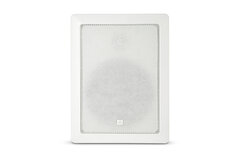
JBL Professionalの埋込型スピーカーは、高性能と商業空間への目立たない統合を実現するよう設計されています。これらの建築用スピーカーは、インテリアの美観を保ちながら、卓越したオーディオ品質を提供します。会議室、空港、小売店などの環境に最適なJBLの埋込型ソリューションは、貴重なスペースを占有することなく高忠実度のサウンドを実現します。最先端技術により、最適な音響分散と最小限の歪みを確保し、目に見えないハイエンドオーディオソリューションの新しい基準を確立します。
In-Wall Speakers カテゴリー
With cutting-edge technology, an in-wall speaker ensures optimal sound dispersion and minimal distortion. These systems set a new standard in invisible, high-end audio solutions.
HARMAN Pro Insights: Solutions Featuring In-Wall Speaker Products
すべての記事を見る ↗JBL Professional's in-wall speaker systems have been used in several installations to enhance sound quality and distribution.

If you're looking for a retailer or distributor, use our partner search to explore options tailored to your region. To enhance your professional audio setup, use the support hub for solutions from our dedicated team.
FAQs About In-Wall Speakers
Are in-wall speakers a good idea?
An in-wall speaker is a great choice if you want high-quality sound without taking up floor or shelf space. They offer a clean, discreet look while helping to reduce room clutter.
What are good in-wall speakers?
Good in-wall speakers deliver clear sound, reliable performance, and blend seamlessly into your room. The best option will depend on your budget, room size, and intended use.
How are in-wall speakers powered?
Most in-wall speakers are passive, meaning they are powered by an external amplifier or AV receiver. Some active models have built-in amplifiers and require a direct power connection.
Who makes good in-wall speakers?
Several leading brands manufacture high-quality in-wall speaker systems, including JBL Professional. The right brand will depend on your audio requirements and installation preferences.
What is the 83 dB rule for speakers?
The 83 dB rule refers to a recommended listening level of around 83 decibels for accurate audio monitoring. It is mainly used in recording studios and professional audio environments.
What is the 38% rule for speakers?
The 38% rule is a speaker placement guideline that suggests positioning the listening area around 38% of the room's length from the front wall. This can help improve sound balance and reduce acoustic issues in the room.