
The JBL COL Slim Column Loudspeaker product family includes the COL600 (24-Inch 600 mm) and COL800 (32-Inch 800 mm). Both provide wide horizontal and narrow vertical coverage, with a built-in 10° down-tilt to the aim, providing optimum coverage for most listening areas while allowing the speaker to be installed flat to the wall. The slim, compact design—winner of international design awards for industrial design excellence—complements virtually any architectural décor. A combination of stylish design and outstanding performance features makes these loudspeakers ideal for a wide variety of applications, such as conference/meeting rooms, lecture halls, retail stores, concourses, transit spaces, fill applications, audio for video, and other applications where slim, compact design and high performance is desired.
COL Slim Column Loudspeakers Produkte
HARMAN Pro Insights
Alle Beiträge ansehen ↗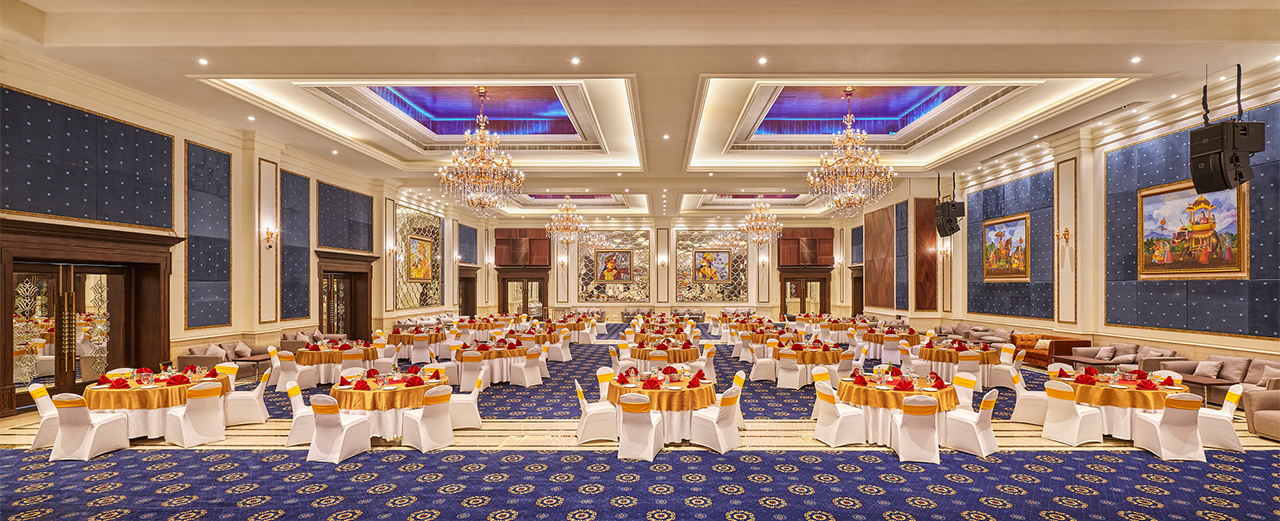
Groundbreaking Installed Audio: JBL’s Control Contractor Loudspeakers
Throughout its over 75-year legacy, JBL has developed a range of groundbreaking technologies to support the evolving…

Igniting a Commercial Audio Revolution: Inside JBL Control Contractor Loudspeakers
Founded in 1946 to develop state-of-the-art cinema loudspeakers, JBL realized early on, the growing and diverse…